

Benzodiazepine Addiction Treatment in Chiang Mai, Thailand
Benzodiazepine addiction often starts with a prescription. A doctor prescribes alprazolam for panic attacks, diazepam for insomnia, or clonazepam for generalised anxiety. The medication works. Then the brain adapts. Tolerance builds. When you try to stop, withdrawal symptoms hit harder than the anxiety that started everything. This is not a character flaw. Jintara treats benzodiazepine addiction as a serious medical condition.

Fully Licensed Facility

Are Benzodiazepines Controlling Your Life?
Benzodiazepine addiction develops gradually, and many people do not recognise dependence until withdrawal symptoms appear between doses. These are common signs that benzodiazepine use has crossed into addiction:
- You need a higher dose of benzodiazepines to get the same effect you had when you first started taking them
- You experience withdrawal symptoms (anxiety, tremors, insomnia) when you miss a dose or reduce your intake
- You have tried to stop taking benzodiazepines on your own but could not manage the rebound anxiety
- You take benzodiazepines outside of your prescription, using more than directed or obtaining them from other sources
- Your daily routine revolves around when you can take your next dose
- You continue using benzodiazepines despite recognising the harm to your health, relationships, or work
Benzodiazepine addiction affects people from all backgrounds. The majority of clients Jintara treats for benzodiazepine dependence developed their addiction through legitimate medical use, not recreational drug use. If any of these signs apply to you, speak with our admissions team about a confidential assessment.

Why Jintara for Benzodiazepine Addiction?
Benzodiazepine withdrawal is one of the most medically complex substance withdrawals. It carries seizure risk, requires weeks or months of gradual tapering, and demands 24/7 clinical monitoring during the acute withdrawal phase. Here is why Jintara is built for this level of complexity.
- Maximum 10 clients at any time: Jintara's private rooms and intimate setting mean your treatment team knows your taper schedule, your withdrawal trajectory, and your emotional state every day. You are not a number on a ward.
- On-site medical detox with psychiatrist-supervised taper: Your benzodiazepine taper protocol is designed by a psychiatrist based on your specific drug, dose, duration of use, and medical history. Taper adjustments happen in real time based on your response, not a fixed schedule.
- Day 2 full medical workup: Within 48 hours of arrival, Jintara runs blood work, liver function tests, kidney function tests, a chest X-ray, and an EKG at our expense. Liver function is critical for benzodiazepine metabolism. Kidney function affects how your body clears medications. This workup is completed before any taper begins.
- 24/7 awake nursing during the critical phase: Benzodiazepine withdrawal seizure risk peaks during the first seven days. Jintara's nursing team monitors vital signs, withdrawal severity, and behavioural indicators around the clock. If seizure warning signs appear (tremors, rigidity, altered consciousness), the nursing team escalates immediately. Hospital transfer criteria are pre-established with Bangkok Hospital Chiang Mai.
- Concurrent therapy from Day 1: Unlike facilities that wait until benzo detox finishes before starting therapy, Jintara runs therapy parallel to the taper. Individual sessions address the anxiety and trauma that drove benzodiazepine use. EMDR therapy is available for clients with trauma histories, particularly those who developed dependence after surgery, accidents, or PTSD.
During your free consultation, you can ask about the taper protocol, program length, and how we manage the increased risk of complications during benzo detox. International clients from western countries and across Asia choose Jintara because we take the time benzodiazepine withdrawal actually requires.
Start Your Recovery with a Licensed Medical Team
Benzodiazepine detox at Jintara follows a structured clinical protocol. Every step has a specific medical purpose.
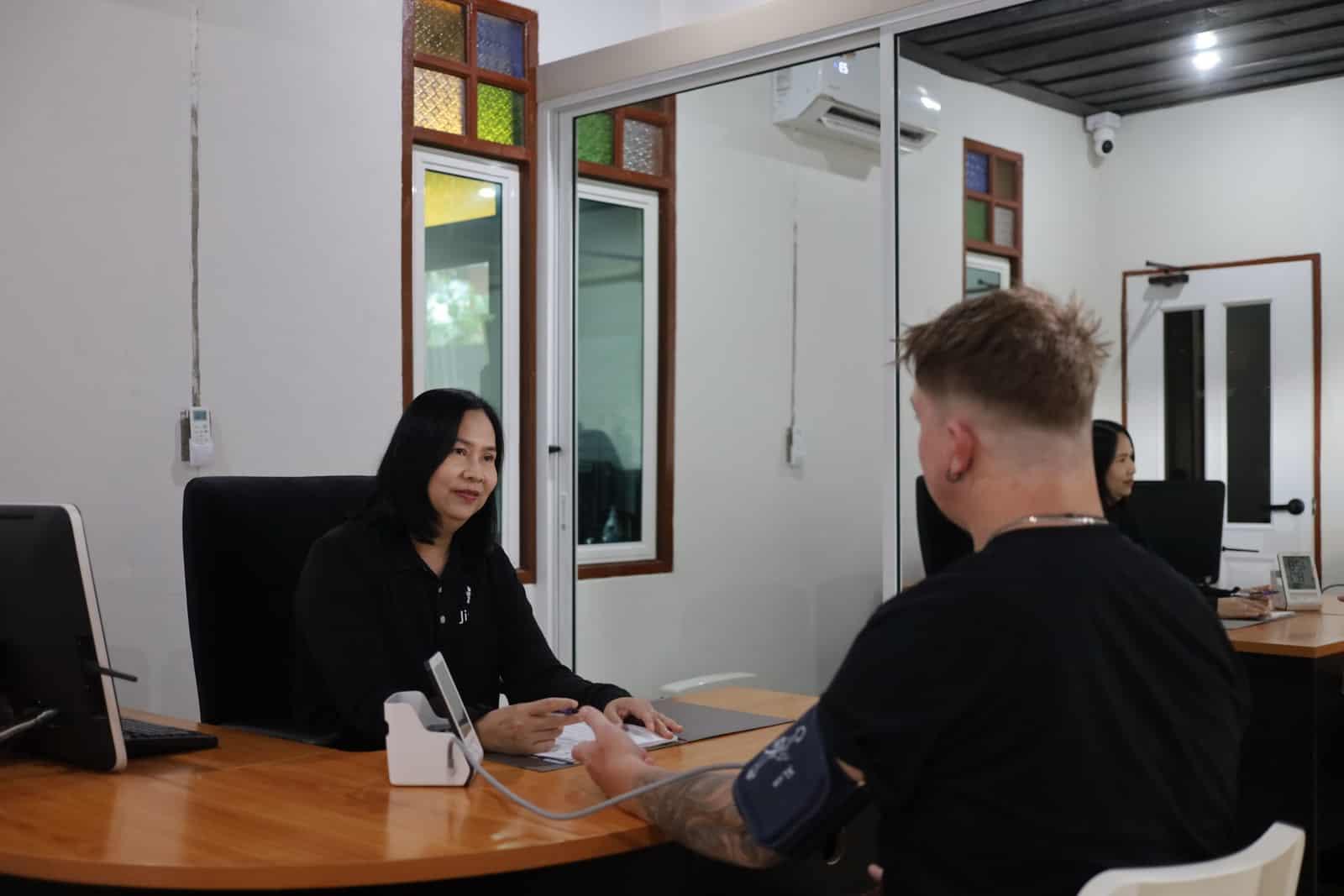
- Day 1: Psychiatric assessment on arrival: Your psychiatrist establishes a baseline mental state and confirms your benzodiazepine dosing history. Accurate dosing information is critical. As Jintara founder Darren Lockie explains: "We need to know how much so that the detox can be done safely." A 2mg daily alprazolam habit requires a different taper protocol than 40mg of diazepam.
- Day 2: Full medical workup: Blood work, liver function, kidney function, chest X-ray, and EKG. These tests identify conditions that affect taper speed and medication safety. Impaired liver function, for example, slows benzodiazepine metabolism and requires protocol adjustment.
- Days 3-7: Stabilisation and monitoring: No taper begins during this phase. The nursing team monitors withdrawal severity using clinical assessment of vital signs and presentation. Your psychiatrist uses all assessment data to design your personalised taper protocol, including taper speed, whether cross-tapering is appropriate, and what supportive medications are needed.
- Week 2 onwards: Gradual taper begins: Dose reduction typically proceeds at 5 to 10 percent per week. The pace is adjusted based on your response. If withdrawal symptoms spike at a reduction step, the taper pauses at that level until your brain adjusts, then continues. This is not a race.


How Jintara Treats Benzodiazepine Addiction: Evidence-Based Therapies
Benzodiazepine addiction treatment at Jintara combines medical detox with therapy that runs concurrently, not sequentially. Therapy begins the same day as detox.
- Psychiatrist-led medical detox: Your psychiatrist designs and adjusts your taper protocol throughout the program. If you are taking a short acting benzodiazepine like alprazolam, the psychiatrist may use cross-tapering: switching you to a longer acting benzodiazepine like diazepam for a smoother reduction. This reduces the intensity of benzo withdrawal symptoms and lowers seizure risk.
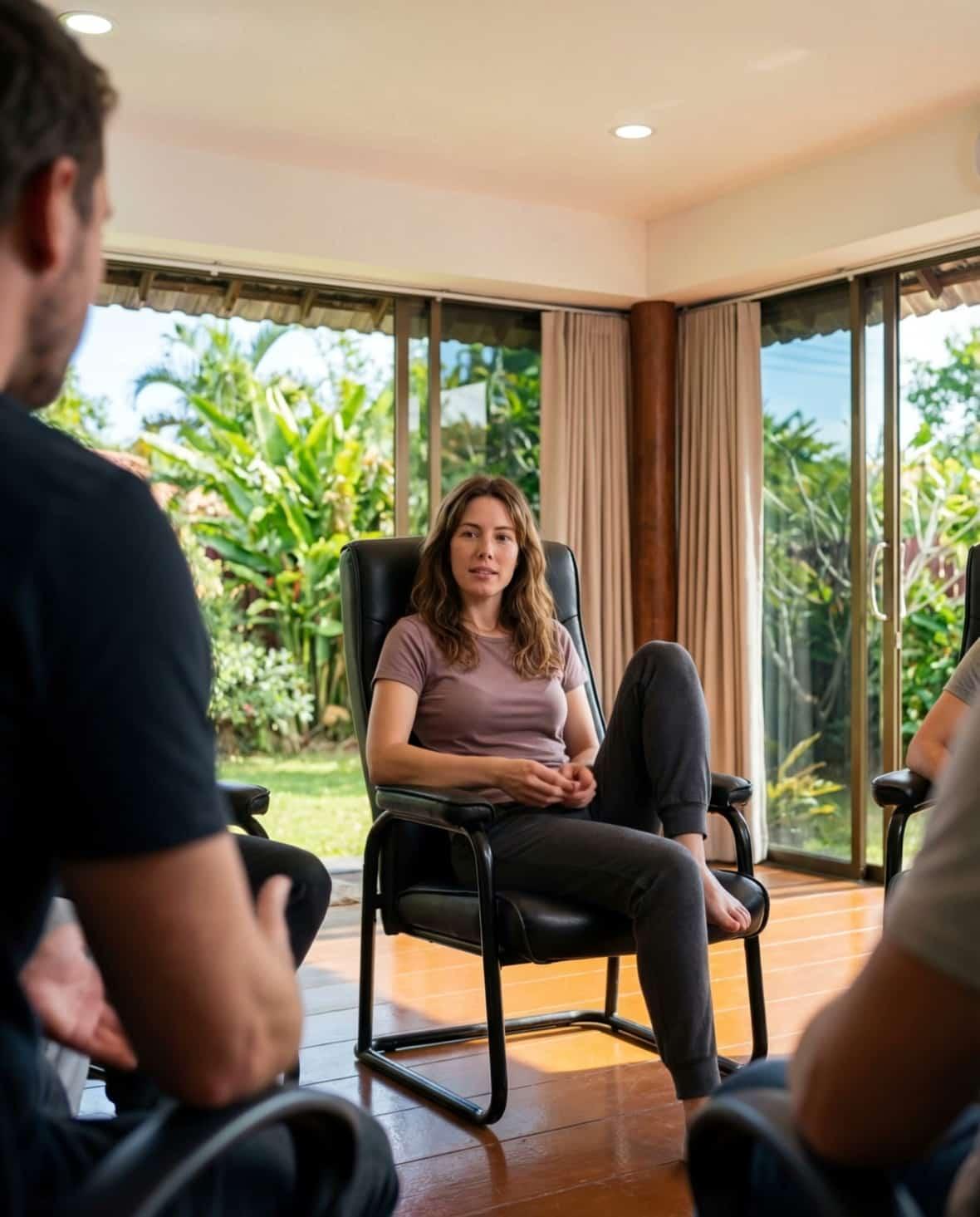
- Individual therapy (45-minute sessions): During the first two weeks, therapy focuses on distress tolerance skills and psychoeducation about benzodiazepine withdrawal. Denise O'Leary, Jintara's therapist, explains: "Distress tolerance skills, typically. Skills to change your physiology so that it just brings down the arousal level."
- EMDR therapy for trauma: Many people develop benzodiazepine dependence after traumatic events. EMDR is available for clients in 8-week or longer programs who have completed medical stabilisation. It is not automatically assigned to every client.
- DBT-informed distress tolerance: Abbreviated DBT modules covering mindfulness, distress tolerance, emotion regulation, and interpersonal effectiveness. These skills provide concrete alternatives to using medication for anxiety management. The approach sits under the CBT umbrella.
- Sleep restoration: Benzo withdrawal insomnia is severe. Jintara uses medication support when needed combined with sleep hygiene education and physiological calming techniques. The philosophy is "skills over pills."
Jintara is not a 12-step program. Treatment is evidence-based, personalised, and focused on building practical skills you can use after discharge.
Why Your Anxiety Got Worse When You Quit Benzodiazepines
This is the question that terrifies people considering benzodiazepine detox: "If I stop, will my anxiety be even worse than before?" The answer is yes, temporarily, and here is why.
Benzodiazepines work by enhancing GABA (gamma-aminobutyric acid), the brain's primary calming neurotransmitter. When benzodiazepines increase GABA activity for weeks or months, the brain compensates by reducing its own GABA production. When the drug is removed, the brain is suddenly underproducing its own calming chemicals. Anxiety, panic attacks, tremors, and in severe cases, seizures result from this GABA rebound.
- Withdrawal anxiety is temporary: A pre-existing anxiety disorder requires a different approach. Jintara's assessment protocol distinguishes between the two. Denise O'Leary explains: "We do a basic screen at the start, and then after a week or two, just see how they are doing. If it is substance abuse, they will be better. If they are not better, then we need to do some more digging."
- The two-week observation window: Benzodiazepine withdrawal anxiety peaks during weeks one to three. Diagnosing a standalone anxiety disorder during active withdrawal produces inaccurate results. By week two to three, withdrawal anxiety begins to settle and true baseline mental health becomes visible.
- Dual diagnosis adjustment: If a co-occurring anxiety disorder exists alongside benzodiazepine dependence, Jintara adjusts the treatment plan through dual diagnosis treatment. This distinction determines program length, therapy approach, and aftercare planning.
No other rehab in Thailand publishes this level of clinical detail about distinguishing benzodiazepine withdrawal from baseline anxiety. This is the kind of transparency Jintara believes every client deserves.

Safety, Nursing, and Seizure Prevention During Benzodiazepine Detox
Benzodiazepine withdrawal can be life-threatening. Unlike opioid withdrawal (uncomfortable but rarely fatal), benzodiazepine withdrawal and alcohol withdrawal both carry seizure risk because they affect the same GABA neurotransmitter system in the central nervous system. Stopping benzodiazepines cold turkey is medically dangerous and should never be attempted without professional clinical support. Clients who also drink face compounded risk — see our dedicated page on alcohol and benzodiazepine dependence.
- 24/7 awake nursing during the first week: Benzo withdrawal seizure risk is highest during days two through seven. Nursing staff observe clients daily and hourly during this critical phase. Kwan, Jintara's nursing lead, explains: "We have the standard form. If they stop using a substance, what is the condition? What is the score? So we have to do close observation until the score goes down to normal."
- Escalation protocols for severe withdrawal: Mild anxiety and adjustment difficulties are monitored but do not trigger escalation. Panic attacks, severe withdrawal symptoms, clients refusing to leave rooms, or suicidal thoughts trigger immediate escalation to the psychiatrist.
- Hospital transfer partnerships: If seizure risk escalates beyond what can be managed on site, clients transfer to Bangkok Hospital Chiang Mai or RAM Hospital while maintaining Jintara's psychiatric oversight. Transfer criteria are established before the taper begins.
- Vital sign monitoring at every dose reduction: Each taper step carries risk. Blood pressure, heart rate, and temperature are tracked before and after each reduction. New medications trigger first-dose monitoring, including vital signs and adverse effect screening at one hour post-administration.
- Medication reconciliation: All current medications are reviewed at admission to identify interactions that could complicate the benzodiazepine taper. Reconciliation occurs again at any transfer point and at discharge.

What Happens During Benzodiazepine Withdrawal?
Benzodiazepine withdrawal symptoms can include anxiety, panic attacks, insomnia, muscle spasms, seizures, and cognitive difficulties. The withdrawal timeline varies depending on whether you are taking short acting or longer acting benzodiazepines. At Jintara, our 24/7 nursing team monitors every phase so you can detox safely.
Early withdrawal onset
- Rebound anxiety, insomnia, restlessness, increased tension, irritability
- Clients taking short acting benzodiazepines like alprazolam (Xanax) or lorazepam (Ativan) experience withdrawal symptoms sooner because these drugs have a shorter half life (6-12 hours)
- Nursing monitors vital signs. No medication changes during initial assessment
Delayed onset for longer acting drugs
- Anxiety symptoms, sleep disturbance, muscle twitches
- Longer acting benzodiazepines like diazepam (Valium, half life 20-48 hours) or clonazepam (Klonopin, half life 18-50 hours) take longer to clear
- Withdrawal symptoms start later but can persist for weeks to months
Acute withdrawal: critical phase
- Severe withdrawal symptoms: panic attacks, seizures, hallucinations, muscle spasms, burning sensations, tremors, clouded thinking
- Heart palpitations, nausea, vomiting, and perceptual changes
- Benzodiazepine withdrawal syndrome during this window requires continuous clinical monitoring
Gradual taper phase
- Ongoing anxiety, insomnia, cognitive deficits, muscle twitches, weight loss, mood swings
- Benzo withdrawal symptoms during this phase come in waves. Some days are better than others
- 5-10% dose reduction per week with concurrent therapy and sleep restoration work
Late taper and post-zero window
- Protracted withdrawal symptoms: lingering anxiety, cognitive deficits, gastrointestinal complaints, insomnia, muscle pain
- Withdrawal continues for approximately three weeks after reaching zero dose
- Therapy focuses on coping skills to replace benzodiazepine use for anxiety management
Timeline is a general guide. Individual experiences vary based on the specific benzodiazepine, daily dose, and duration of use. Always seek medical supervision for benzodiazepine withdrawal.



Short Acting vs Long Acting Benzodiazepines: What It Means for Your Treatment
Different benzodiazepines produce different withdrawal experiences. Understanding which type you are taking helps explain your treatment timeline.
- Short acting benzodiazepines: Alprazolam (Xanax, half life 6-12 hours), lorazepam (Ativan, half life 10-20 hours), and temazepam (Restoril, half life 8-20 hours). Because they leave the body quickly, withdrawal symptoms start within the first few hours to 24 hours after the last dose. Short acting benzos produce more intense but shorter acute withdrawal. Clients at high doses typically require 8 to 12 weeks.
- Intermediate acting benzodiazepines: Oxazepam and bromazepam. Withdrawal symptoms from intermediate acting benzodiazepines usually start within 24 to 48 hours and last for about two to three weeks.
- Long acting benzodiazepines: Diazepam (Valium, half life 20-48 hours), clonazepam (Klonopin, half life 18-50 hours), and chlordiazepoxide (Librium, half life 24-48 hours). A longer acting benzodiazepine produces slower withdrawal onset but the withdrawal process stretches across weeks to months. High doses typically require a minimum of 12 weeks for safe tapering.
- Cross-tapering: The psychiatrist may switch you from a short acting benzodiazepine to a longer acting benzodiazepine before beginning the slow taper. The longer half life of diazepam provides more stable blood levels, reducing the sharp peaks and troughs that cause intense benzo withdrawal symptoms and increasing seizure safety.
Research published in the British Journal of Clinical Pharmacology supports gradual tapering as the safest approach for benzodiazepine discontinuation. A systematic review confirmed that slow withdrawal regimens, coupled with reassurance from clinical teams and support from family and peers, produce better outcomes than rapid discontinuation.
Why Is Jintara the Right Benzodiazepine Rehab for Adults with Dual Diagnosis?
Jintara treats adults who are ready to address benzodiazepine addiction in a structured, medically supervised environment. Our clients include:
- Professionals who developed benzodiazepine dependence through long-term benzodiazepine therapy and need a confidential program
- People with dual diagnosis, where benzodiazepine addiction co-occurs with anxiety disorders, depression, PTSD, or panic disorder
- Clients with polysubstance dependence, particularly those combining benzodiazepines with alcohol (compounded seizure risk from both drugs affecting the same GABA system)
- Adults who have attempted to taper at home without professional support and experienced severe withdrawal symptoms or relapse
- People from Australia, the UK, the United States, and across Asia seeking an inpatient rehab centre with medical detox capability
- Individuals who need longer than the standard 30-day program. Most benzodiazepine clients complete 8 to 12 week programs
Programme length is determined by severity of addiction, presence of trauma, presence of mental health conditions, and your home situation. Darren Lockie: "We tell people what we specialise in, we tell them what we do not do, and we refer them to rehabs that might be a better fit." If benzodiazepine addiction is not something Jintara can treat safely in your specific case, we will tell you directly.

What Progress Looks Like at Jintara
Recovery from benzodiazepine addiction is not linear. Protracted withdrawal syndrome means symptoms can fluctuate in waves and windows for months after the last dose. Some days you will feel significantly better. Other days, withdrawal symptoms return temporarily. This pattern is normal and well-documented.
- Weeks 1-2: Medical stabilisation. Acute withdrawal symptoms managed. Initial psychiatric and medical assessments completed. Therapy begins with supportive focus and psychoeducation about what to expect during benzodiazepine withdrawal.
- Weeks 3-4: Taper progressing. Sleep starting to improve. Group therapy providing peer support. Individual therapy beginning to address underlying anxiety and trauma. Anxiety symptoms still present but more manageable.
- Weeks 5-8: Deeper therapeutic work. EMDR introduced for clients with trauma histories. Coping skills becoming more natural. Dose significantly reduced. Clearer thinking returning as cognitive deficits from benzodiazepine use begin resolving.
- Weeks 9-12: Final taper stages or reaching zero dose. Post-zero monitoring for three weeks minimum (rebound anxiety expected and normal during this window). Aftercare planning. Family sessions if appropriate. Discharge preparation with relapse prevention plan.
Jintara addresses long-term recovery through ongoing therapist access and structured aftercare for six months post-discharge.

What Is Included in Benzodiazepine Treatment at Jintara?
Every benzodiazepine addiction program at Jintara includes:
- Private room with en-suite bathroom
- On-site medical detox with psychiatrist-supervised taper protocol
- Full medical checkup on Day 2 (blood work, liver function, kidney function, chest X-ray, EKG) at Jintara's expense
- 24/7 awake nursing during the critical withdrawal phase
- Individual therapy sessions (45 minutes, twice weekly)
- Group therapy sessions (daily, 4 to 5 times per week)
- EMDR therapy for clients with trauma histories (8-week programs and longer)
- Psychiatric medication management throughout the taper
- Fitness program with personal training
- Mindfulness, yoga, and holistic wellness activities
- Excursions in Chiang Mai (experiencing sober life in a real-world setting)
- 6-month aftercare program post-discharge
Program duration: 4 to 12 weeks. Most benzodiazepine clients complete 8 to 12 week programs.

How Does the Benzodiazepine Recovery Journey with Jintara Begin?
Starting treatment begins with a free, confidential consultation. You do not need to have all the answers before calling. Before your call, it helps to know:
- What benzodiazepine you are taking (brand name or generic)
- Your approximate daily dose
- How long you have been taking benzodiazepines
- Whether you use other substances (alcohol, opioids, or others)
This information helps our admissions team assess whether Jintara is the right fit and give you an accurate program recommendation. "Everybody who comes to rehab has ambivalence. That is okay. We can work with that," says Darren Lockie.

Talk with Our Admissions Team
Common Questions About Benzodiazepine Addiction Treatment
Yes. Benzodiazepine withdrawal can cause life-threatening seizures. This risk is highest during acute withdrawal (days 2 to 7) and increases with higher doses, longer duration of use, and rapid discontinuation. Medical supervision during benzodiazepine detox is not optional. It is medically necessary. Jintara's 24/7 nursing and pre-established hospital transfer protocols with Bangkok Hospital Chiang Mai and RAM Hospital ensure seizure risk is managed safely.
No. Stopping benzodiazepines abruptly without medical assistance is medically dangerous and contraindicated by all clinical guidelines. Cold-turkey benzodiazepine cessation risks seizures, psychotic reactions, and other severe withdrawal symptoms. A medically supervised slow taper, typically reducing the dose by 5 to 10 percent per week, is the only safe approach to benzodiazepine discontinuation.
Benzodiazepine withdrawal duration depends on the drug type and dose. Short acting benzodiazepines (alprazolam, lorazepam): acute withdrawal peaks in 48 to 96 hours, with total recovery taking 8 to 12 weeks. Long acting benzodiazepines (diazepam, clonazepam): acute withdrawal emerges over 5 to 7 days, with total recovery taking 12 to 16 weeks. Protracted withdrawal syndrome can extend symptoms for months or years after cessation. The half life of each specific benzodiazepine determines the withdrawal timeline. Most Jintara benzodiazepine clients complete 8 to 12 week programs.
A benzodiazepine taper is the gradual, controlled reduction of your benzodiazepine dose under medical supervision. Tapering is necessary because your brain has physically adapted to the presence of the drug. Removing it suddenly causes dangerous hyperactivity in the central nervous system, including seizures. A typical taper reduces the initial dose by 5 to 10 percent per week. Gradual tapering usually lasts at least 8 to 12 weeks or longer, depending on the daily dose, duration of use, and previous withdrawal history.
Alprazolam (Xanax) is one of the most commonly prescribed and most frequently misused benzodiazepines. Its short half life (6-12 hours) means the drug enters and leaves the body quickly, creating a cycle of relief and withdrawal that drives continued use. This makes alprazolam particularly habit-forming compared to longer acting benzodiazepines. However, all benzodiazepines carry drug dependence risk with regular use beyond two to four weeks. Jintara treats addiction to all different benzodiazepines, including alprazolam, diazepam, clonazepam, lorazepam, and others.
Cross-tapering is a clinical strategy where the psychiatrist switches you from a short acting benzodiazepine (like alprazolam) to a longer acting benzodiazepine (like diazepam) before beginning the slow taper. The longer half life of diazepam produces more stable blood levels, which reduces the sharp withdrawal peaks that cause intense anxiety and increased risk of seizures. Cross-tapering is commonly used when clients are taking short acting benzos at moderate to high doses.
Rebound anxiety after stopping benzodiazepines is a direct result of the brain's adaptation to the drug. Benzodiazepines suppress neural activity by enhancing GABA. Over time, the brain reduces its own GABA production. When the drug is removed, the brain is temporarily unable to produce enough calming chemicals on its own, causing anxiety symptoms that are often worse than before. This rebound effect is temporary and typically peaks during weeks one to three of benzo withdrawal. Jintara's clinical team distinguishes between withdrawal-driven anxiety (which resolves) and a pre-existing anxiety disorder (which requires ongoing dual diagnosis treatment).
Jintara's psychiatrist selects medications based on your specific situation. The benzodiazepine taper itself is the primary intervention, with dose adjustments made based on your withdrawal response. PRN (as-needed) medications address breakthrough anxiety, insomnia, and other withdrawal effects. Medication effectiveness is monitored at one hour post-administration. Jintara does not recommend using substances to treat substances. The goal is to taper safely to zero and build anxiety management skills that do not rely on medication.
Yes. Therapy at Jintara begins from Day 1, running parallel to the benzo detox, not after it. During the first week, when withdrawal symptoms may be severe, therapy is supportive and focused on reassurance and coping strategies. As the taper progresses, therapy deepens to address the underlying anxiety, trauma, or mental health conditions that drove benzodiazepine use. This concurrent approach is a key differentiator. Many facilities delay therapy until after detox, losing weeks of valuable treatment time.
Jintara's nursing team monitors for seizure warning signs continuously during the first week as part of our medical detox protocol. Monitoring includes vital signs (blood pressure, heart rate, temperature), behavioural observation (tremors, rigidity, confusion, agitation), and withdrawal severity scoring. Checks occur multiple times daily during the acute phase, reducing in frequency as withdrawal severity decreases. If warning signs appear, the nursing team escalates to the psychiatrist immediately.
This is the question most benzodiazepine clients ask, and it is the question most rehab facilities never answer. At Jintara, the answer is practical: CBT-based anxiety management techniques, distress tolerance skills from the DBT-informed program, mindfulness practice, physiological calming techniques, regular exercise, and sleep hygiene. For clients with a diagnosable anxiety disorder alongside addiction, the psychiatrist discusses whether ongoing non-benzodiazepine medication is appropriate. The program teaches you to manage anxiety without benzodiazepines. That is the entire point.
Jintara publishes pricing transparently on the pricing page. Program cost depends on duration (4 to 12 weeks). All medical detox, therapy, nursing, accommodation, meals, excursions, and the full medical checkup on Day 2 are included. Benzodiazepine treatment is one of the more cost-effective options compared to equivalent programs in Australia, the UK, or the United States, where inpatient rehab centre costs can be three to five times higher for comparable medical oversight.
Protracted withdrawal syndrome refers to benzodiazepine withdrawal symptoms that persist for months or even years after cessation. Symptoms can include tinnitus, cognitive deficits, gastrointestinal complaints, insomnia, and muscle pain. Protracted withdrawal symptoms fluctuate over time and typically improve gradually. A significant minority of people withdrawing from benzodiazepines experience protracted withdrawal syndrome. Research shows that a slow withdrawal rate significantly reduces the risk of developing this condition. Jintara's program accounts for protracted withdrawal by maintaining medical monitoring beyond the acute phase and providing aftercare support for six months post-discharge.